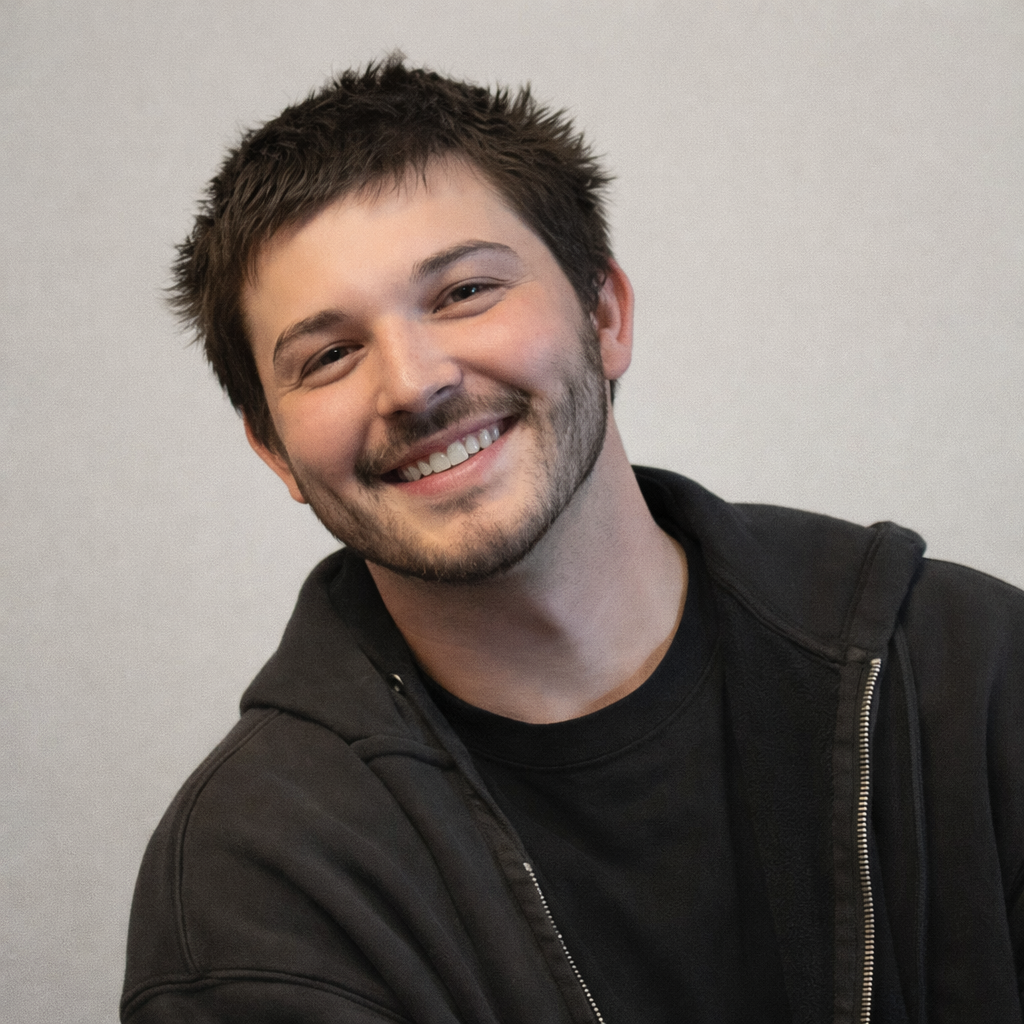
Artist
Johnathan Luis Jimenez works with materials that have already lived a life, objects shaped by labor, exposure, and time. Drawn to wear, fracture, and failure, his sculptures develop through responding to what materials reveal rather than imposing predetermined forms. Each decision is guided by touch, resistance, and instinct.
Influenced by movement through landscape and everyday encounters, his process unfolds through walking, driving, noticing, and returning to certain places and objects. These experiences become embedded in the work, allowing material memory to remain visible and active.
Jimenez received a BFA from Oklahoma State University and his MFA at Texas Tech University. Now Johnathan is currently the Head Professor of Sculpture at Arkansas State University. His sculptures function as open-ended sites where viewers are encouraged to project their own memories, histories, and narratives.
Artist Statement
My work starts before things get named. Before a title, before materials are listed, before language settles anything. When someone walks up to one of my sculptures, something usually happens right away. Familiar materials trigger memory. People start thinking about places they’ve been, jobs they’ve worked, things they’ve handled before. That response isn’t planned. It just shows up.
I’m interested in that moment when meaning arrives on its own. The viewer doesn’t decide to make a story; the story forms instinctively. Everyone brings something different with them, so the work never lands in one place. The sculpture stays the same, but the meaning keeps shifting depending on who’s standing in front of it.
I’ve also been thinking a lot about how artificial intelligence reads objects. AI doesn’t carry memory or lived experience. It looks for patterns, similarities, and probabilities, and it moves fast. Where a person might hesitate or sit with uncertainty, the system jumps to an answer. Putting those two ways of understanding next to each other makes the difference feel clear. One way of seeing is built from memory and experience. The other is built from recognition and certainty.
The way I make work follows instinct more than planning. I don’t sketch ideas out or try to control the outcome. I start with materials that already exist, found objects, leftovers, things that failed before, and respond to how they behave. Wood splits, wire pushes back, structures fall apart. Those moments aren’t mistakes. They tell me what to do next. A lot of decisions happen late at night when overthinking drops off and the body takes over.
I’m drawn to forms that don’t fully explain themselves. Objects that feel almost useful but not quite, leaving room for imagination. Humor, tension, and memory can all sit in the same space. I’m not trying to lock meaning down. I want the work to stay open, to keep collecting stories I can’t predict. Somewhere between instinct and pattern, between human memory and machine certainty, the work finds its place.